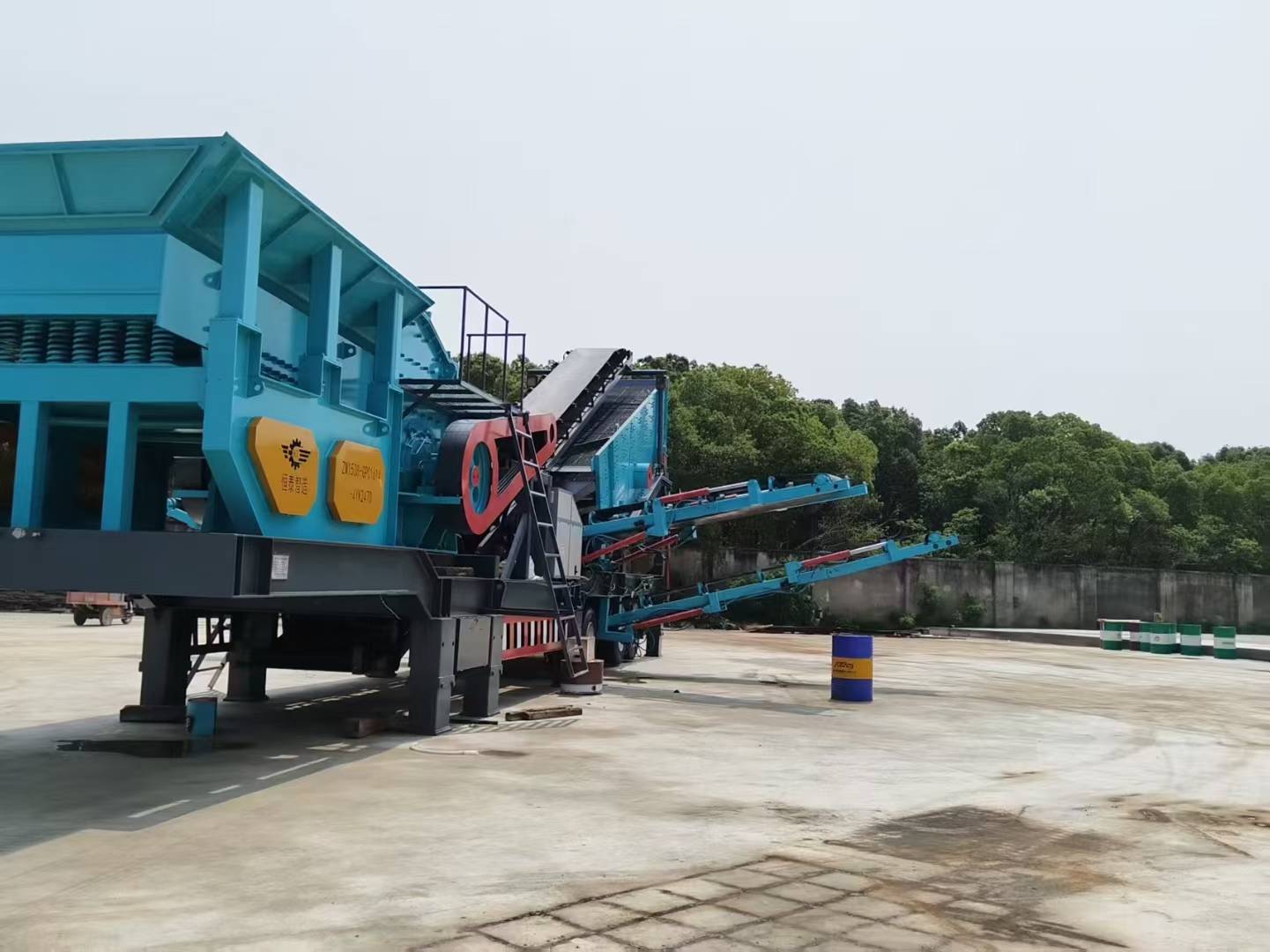
Crawler vs Wheel-Mounted Mobile Crushing Plants: A Practical Selection Guide
Crawler vs Wheel-Mounted Mobile Crushing Plants: A Practical Selection Guide
[Application Scenarios]
1. Operation Mode: Human-Machine Interaction Differences
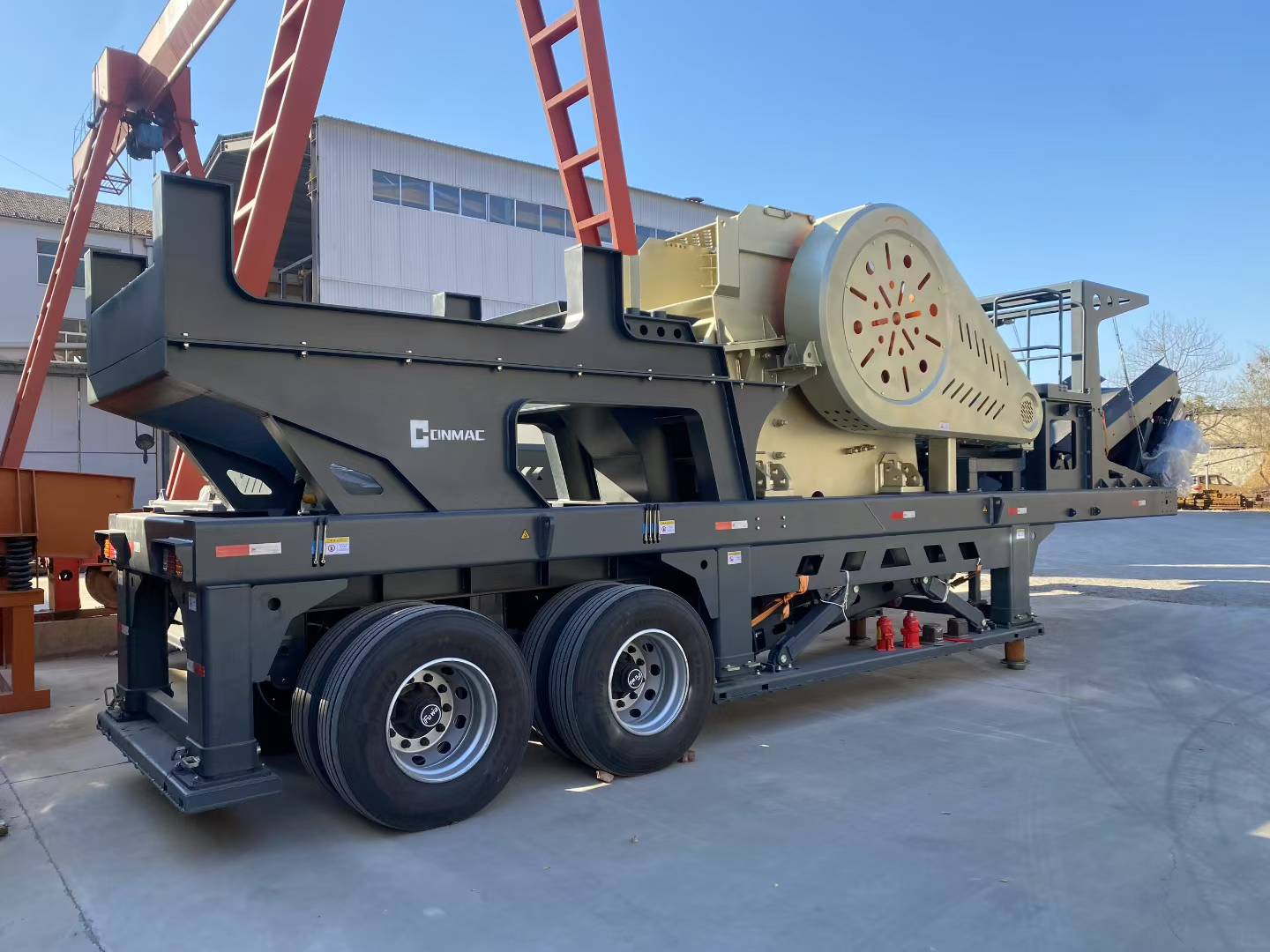
Wheel-Mounted Mobile Crushing Plant
Adopts passive traction mode, relying on external heavy-duty truck heads or tractors for site transfer. Operators must coordinate both the tractor head and crushing host simultaneously. In narrow worksites or complex road conditions, this demands higher driving skills.
Critical Risk:
If the tractor head suffers damage in mining or construction environments (engine failure, chassis damage), the entire crushing unit loses mobility. External tow truck rescue or tractor replacement becomes necessary, causing unplanned downtime.
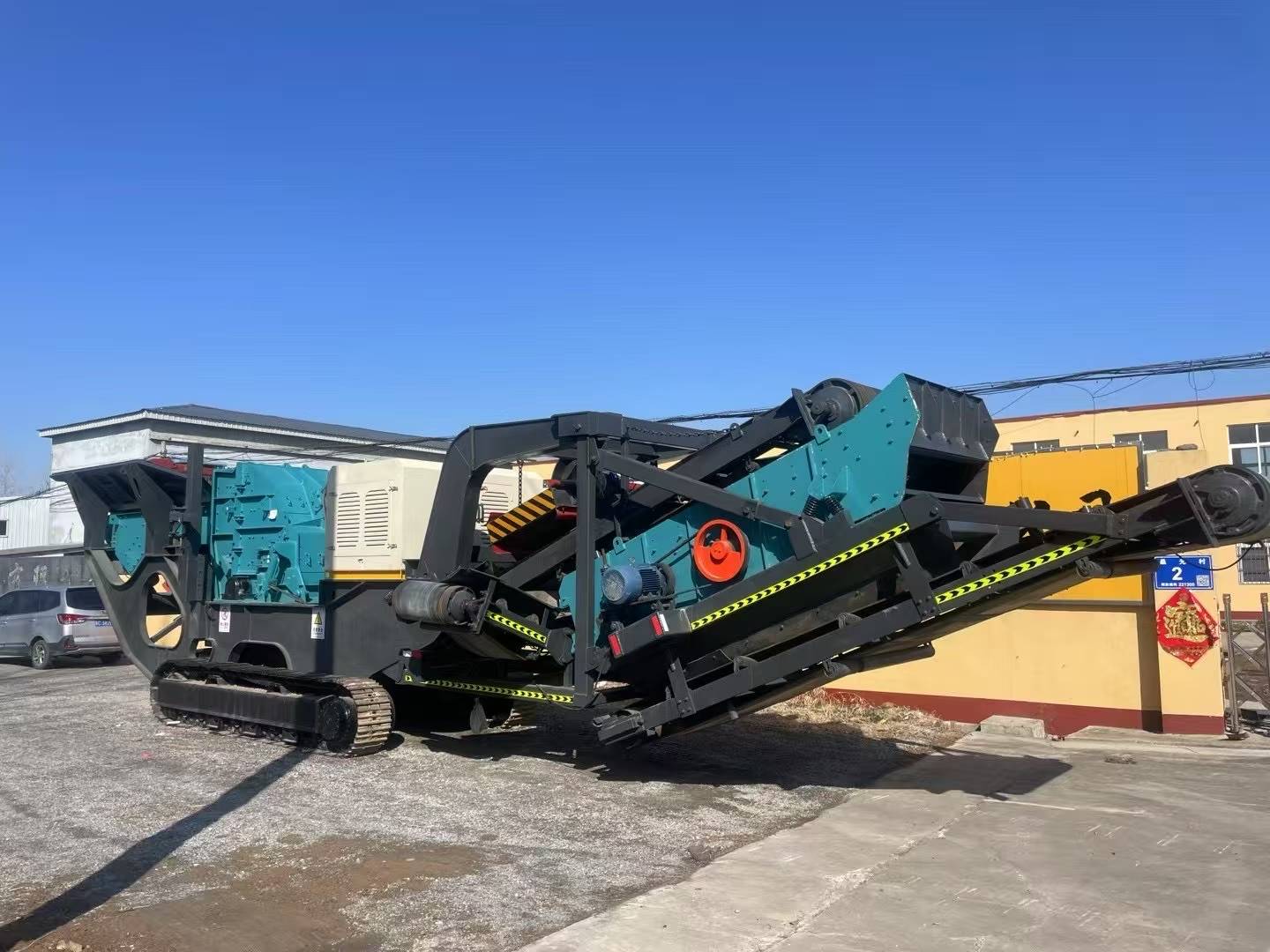
Crawler-Mounted Mobile Crushing Plant
Features standard wireless remote control walking system. Operators can control equipment movement, steering, and positioning from 50–100 meters away. No driver needs to board the host machine—precise positioning achieved through handheld remote.
Safety Value:
In unstable slopes post-blasting, high-altitude debris zones of demolished buildings, or narrow passages of underground mining, remote operation physically isolates personnel from hazards. Industry statistics indicate remote control systems reduce work-related personal injuries by over 60%.
2. Terrain Adaptability: Mobility Defines Application Boundaries
| Comparison Dimension | Wheel-Mounted Mobile Crusher | Crawler-Mounted Mobile Crusher |
|---|---|---|
| Ground Pressure | 1.5-2.0 kg/cm² | 0.5-0.8 kg/cm² |
| Max Climbing Angle | ≤15° | ≤30° |
| Muddy/Wetland Passage | Prone to sinking, requires hardened roads | Low ground pressure, normal operation possible |
| Mountain Roughness | Depends on level roads | Can cross 500mm vertical obstacles |
| Transfer Method | Highway self-driving (license required) | Short-distance self-walking, long-distance requires flatbed |
Wheel-Mounted Application Scenarios
Urban construction waste recycling (well-hardened roads)
Highway expansion projects (level temporary roads along route)
Temporary earthwork operations (project duration <6 months)
Crawler-Mounted Application Scenarios
Metal/non-metal mining faces (unhardened original terrain)
Open-pit coal mines (muddy, soft coal seam surfaces)
Water conservancy hub projects (valley rugged terrain)
Emergency rescue operations (disaster areas without road support)
3. Power Systems: Energy Architecture and Operating Costs
Wheel-Mounted Power Solutions
Primary Drive:
External grid power (380V/50Hz), lowest energy cost
Backup Drive:
On-board diesel generator set (common power 200-400kW)
Walking Power:
Completely dependent on tractor head; crushing host has no autonomous walking capability
Energy Characteristics:
Electric operation costs approximately $0.30-0.45/ton (varies by local electricity rates); diesel generation increases to $0.75-1.05/ton.
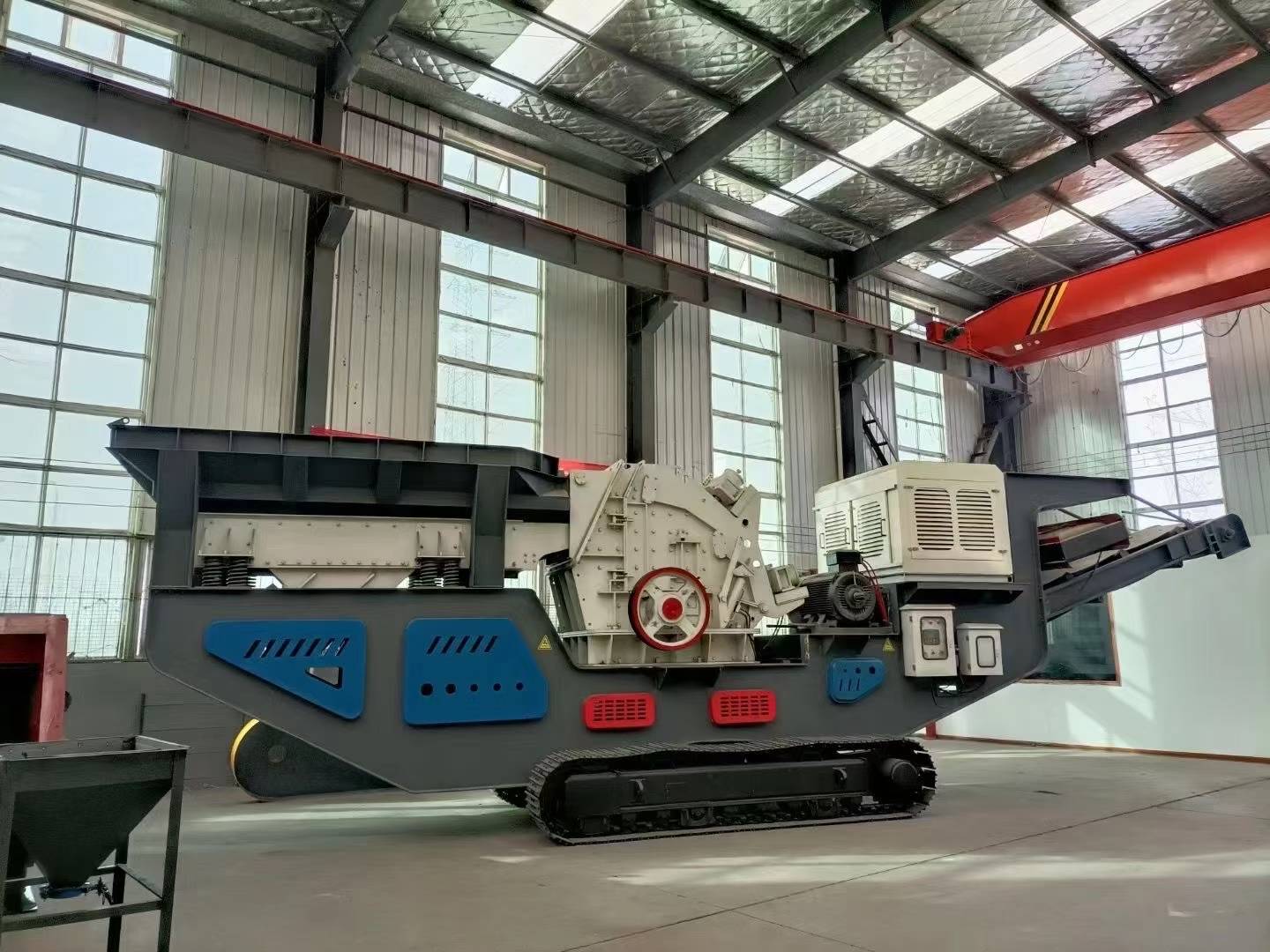
Crawler-Mounted Power Solutions
Electric Drive:
External grid power, suitable for fixed stacking yards
Diesel-Electric Dual Power:
Diesel engine generates electricity + electric motor drive, balancing flexibility and economy
Direct Hydraulic Coupling:
Engine directly drives hydraulic pump, fast response, suitable for frequent start-stop conditions
Full Hydraulic Drive:
Pure engine power, highest reliability in extreme environments
Energy Characteristics:
Diesel-electric dual power mode costs approximately $0.45-0.60/ton; full hydraulic mode $0.90-1.20/ton.
Key Difference:
Crawler-mounted crushing hosts have built-in walking power, eliminating dependence on external tractors. In "crush-move-crush" cycle operations, transfer efficiency improves by over 40%.
4. Total Cost of Ownership: Acquisition, Transport, and Maintenance
Initial Investment
Wheel-mounted: 30-40% lower purchase cost for equivalent capacity configurations
Crawler-mounted: Hydraulic chassis, remote control systems, and reinforced structures increase capital cost
Transportation Costs
Wheel-mounted: Meets highway driving standards, long-distance transfer without disassembly, single relocation cost $450-1,200 (distance dependent)
Crawler-mounted: Oversized and overweight, requires disassembly and flatbed transport, single relocation cost $2,200-4,500, plus crane equipment coordination
Maintenance
Wheel-mounted: Walking mechanism uses commercial heavy truck standard parts, widespread service network, tire replacement cost $300-750/piece
Crawler-mounted: Dedicated hydraulic crawler assembly requires specialized technicians, crawler pad replacement cost $12,000-22,000/set, but service life reaches 8,000-12,000 hours
Hidden Costs
Wheel-mounted
Tractor head depreciation
Insurance
Driver labor
Crawler-mounted
Shorter hydraulic oil change intervals (2,000 hours vs. 5,000 hours)
Higher cleanliness requirements for oil products
5. Selection Decision Matrix
| Decision Factor | Prefer Wheel-Mounted | Prefer Crawler-Mounted |
|---|---|---|
| Project Duration | <12 months short-term projects | >24 months long-term mining |
| Site Conditions | Hardened roads, level ground | Original terrain, soft/steep ground |
| Power Supply | Convenient grid access | Remote off-grid areas |
| Safety Requirements | Conventional open sites | Blasting zones, high-risk slopes, underground spaces |
| Relocation Frequency | >2 times/month high-frequency | <1 time/quarter low-frequency |
| Budget Constraints | Initial investment sensitive | Total lifecycle cost priority |
6. Market Trend Observations
Current equipment procurement shows "scenario-based segmentation" characteristics:
Urban Solid Waste Sector
Wheel-mounted accounts for over 70%, as highway mobility matches urban road networks
Metal Mining Sector
Crawler-mounted accounts for over 60%, with remote control safety becoming a hard requirement
Crossover Applications
Some manufacturers introduce hybrid models with "wheel chassis + crawler walking," attempting to balance cost and passability, but market validation remains incomplete
Technology Evolution Direction
Crawler-mounted remote control systems are evolving from "walking remote control" to "full-process remote control"—including feeder start-stop, crusher discharge port adjustment, and screen angle adjustment, ultimately achieving unmanned crushing operations.